
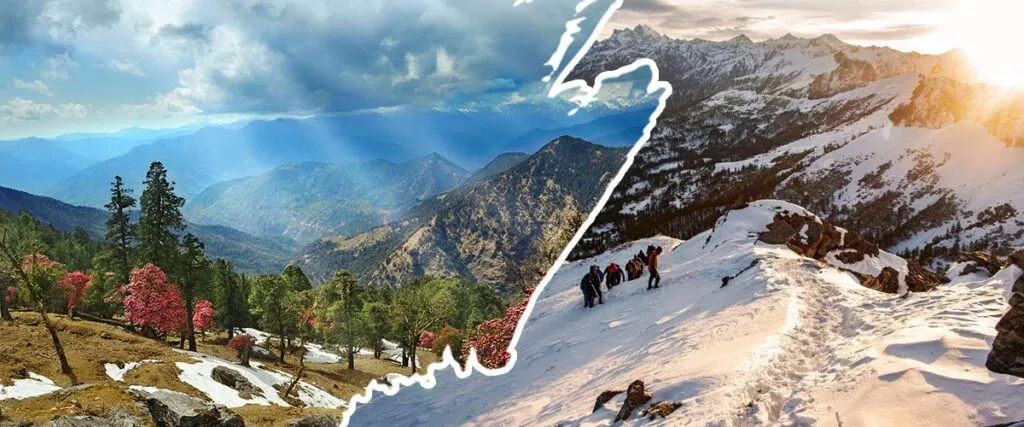
When winter blankets the Himalayas in snow, two treks often dominate every beginner’s bucket list — Kedarkantha and Nag Tibba. Both are scenic, beginner-friendly, and offer the thrill of Himalayan adventure without the extreme challenges of high-altitude expeditions.
But which one should you choose for your first winter trek? Let’s compare both in terms of difficulty, duration, experience, and beauty, so you can make the right choice with Uttarahikes — your trusted Himalayan trekking partner.
Kedarkantha lies in Uttarkashi district, inside the Govind Wildlife Sanctuary, while Nag Tibba is closer to Mussoorie, in the Garhwal region of Uttarakhand.
If you’re short on time, Nag Tibba is more accessible. It’s a 2-day weekend trek from Dehradun, perfect for those with limited leave. On the other hand, Kedarkantha requires 5 to 6 days, including travel, making it ideal for a longer winter break.
If you’re planning a short getaway, Nag Tibba wins in accessibility. But if you want a complete Himalayan experience, Kedarkantha takes the crown.
Both treks are safe for beginner trekkers with slight variation in physical exertion requirements.
Kedarkantha is a more robust experience overall — multi-day campsites, the longer distance allows for more time on the trail, plus many opportunities for dynamic summit views. Nag Tibba is shorter and perfect for new trekkers who want an experience to taste some winter trekking with the less overall time under movement and overall physical exertion.
This is where Kedarkantha really shines. The route to Kedarkantha takes trekkers through beautiful pine forests, snowy meadows and traditional villages such as Juda Ka Talab and Hargaon. The summit of Kedarkantha (12,500 ft) will reward trekkers with a once-in-a-lifetime 360° view of the snow-covered Himalayan peaks lined up in a row with peaks such as Swargarohini, Bandarpoonch, and Black Peak among others.
Nag Tibba is a little lower at around 9,910 ft but provides equally beautiful views of the Garhwal Himalayas, although the views are more forest-based. Expect mostly views of oak and rhododendron forests, with some epic mountain views of the peaks such as Srikantha and Gangotri that would be perfect as a weekend mountain dose of magic.
But for amazing postcard-worthy summit views of the Himalayas and snowy campsites — Kedarkantha takes the prize hands down.
Both treks are best experienced between December and March, as the snow creates a magical white wonderland.
Kedarkantha provides deeper snow, so this trek is the one for you if you want to trek through knee-high snow and camp on a frozen site. Nag Tibba gets moderate snow, usually from the end of December to February, which is perfect for those who still want that winter feel with camping and snow but with a bit milder weather.
If it’s your first time snow trekking, Nag Tibba is a kinder winter experience while Kedarkantha showcases genuine Alpine trekking.
The Kedarkantha trek is famous for its beautiful and scenic campsites, each unique from the lakeside of Juda Ka Talab to the scenic meadows of Hargaon. You camp under a blanket of stars and snow, creating everlasting memories.
Nag Tibba is shorter than Kedarkantha and has limited campsites, mainly at Pantwari and Nag Tibba base. It is an ideal trek for those who want an easy, quick weekend trek with amenities of camping life.
With Uttarahikes, both treks will include cozy tents, hot tasty meals, and trained and experienced guides who will look after your safety and comfort throughout your trek.
To make your decision easier:
| Feature | Kedarkantha Trek | Nag Tibba Trek |
|---|---|---|
| Duration | 5–6 days | 2–3 days |
| Difficulty | Easy–Moderate | Easy |
| Max Altitude | 12,500 ft | 9,910 ft |
| Best For | Snow & summit lovers | Weekend trekkers |
| Snow Level | Heavy | Mild |
| Experience | Full Himalayan adventure | Quick winter getaway |
Both Kedarkantha and Nag Tibba are fantastic opportunities to explore the world of trekking in the Himalayas. With Uttarahikes you can expect expert-guided treks, safe experiences, and unforgettable memories in the valleys of snow-capped peaks.
So, pack your bags, get your boots on, and let this winter be the beginning of your experiences in the Himalayas.
Chat With Us