
By mayank mehra
Location: Delhi | Age: 27
At high altitudes, a specific type of silence exists which people can only experience at that location. The absence of sound creates a deep calmness which allows you to perceive your own heartbeat. I left Rishikesh to search for this particular thing, which I found while we drove to the Garhwal Himalayas.
The drive wasn’t a transition but was commutation. By the time we reached Karchi village, the base for the Pangarchulla Peak trek, the air felt thinner and cleaner. Karchi does not try being a tourist hub. It’s a quiet, hardworking village that feels ancient and chafed. As I laced up my boots and adjusted my backpack, I felt that familiar mix of nerves and excitement. The mountain was waiting.
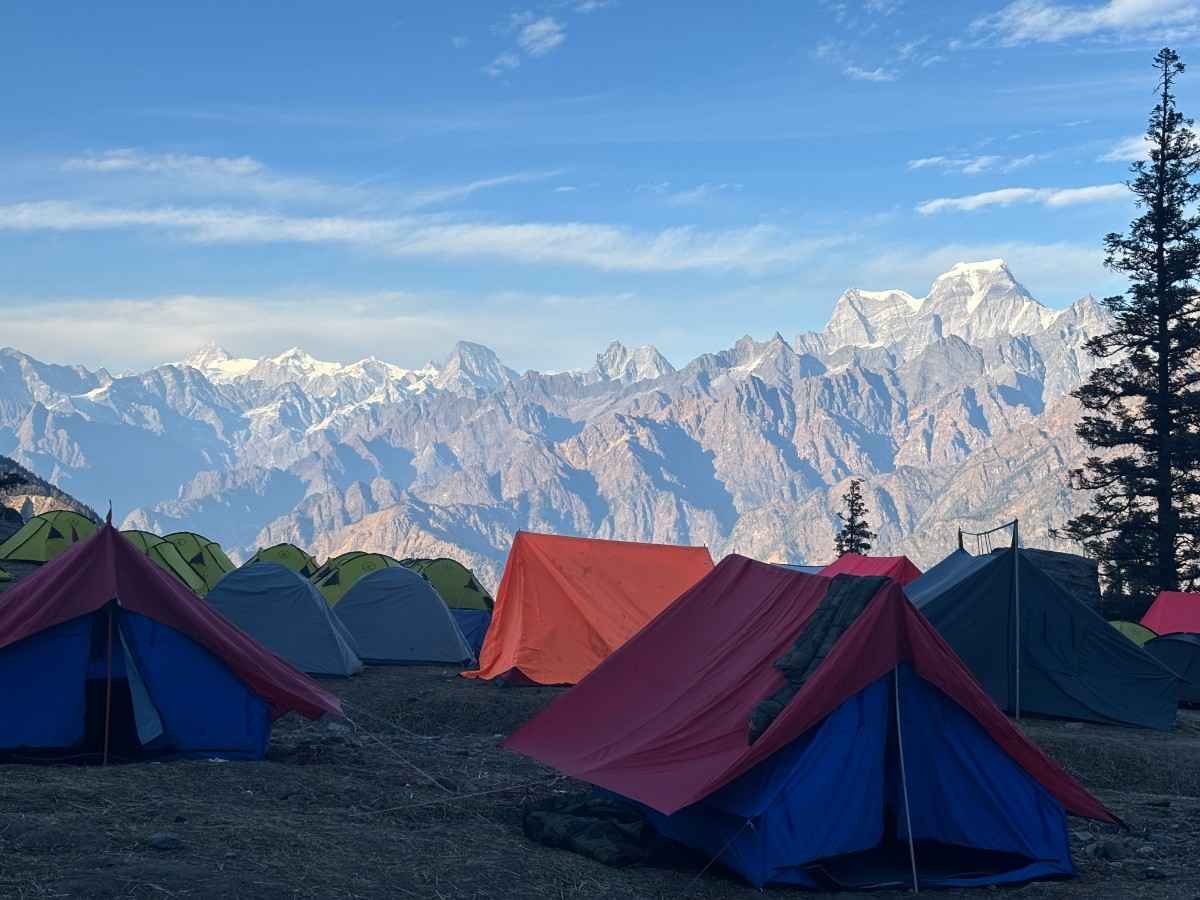
The walk from Karchi to our camp-site at Khullara, a distance of 6 kilometers, was initially misleading, beginning with a gentle pace, winding through thick forests of oak and rhododendron trees. This is the part of trekking I love most, where, for a change, my mind seems to slow down in synchronization with my pace.
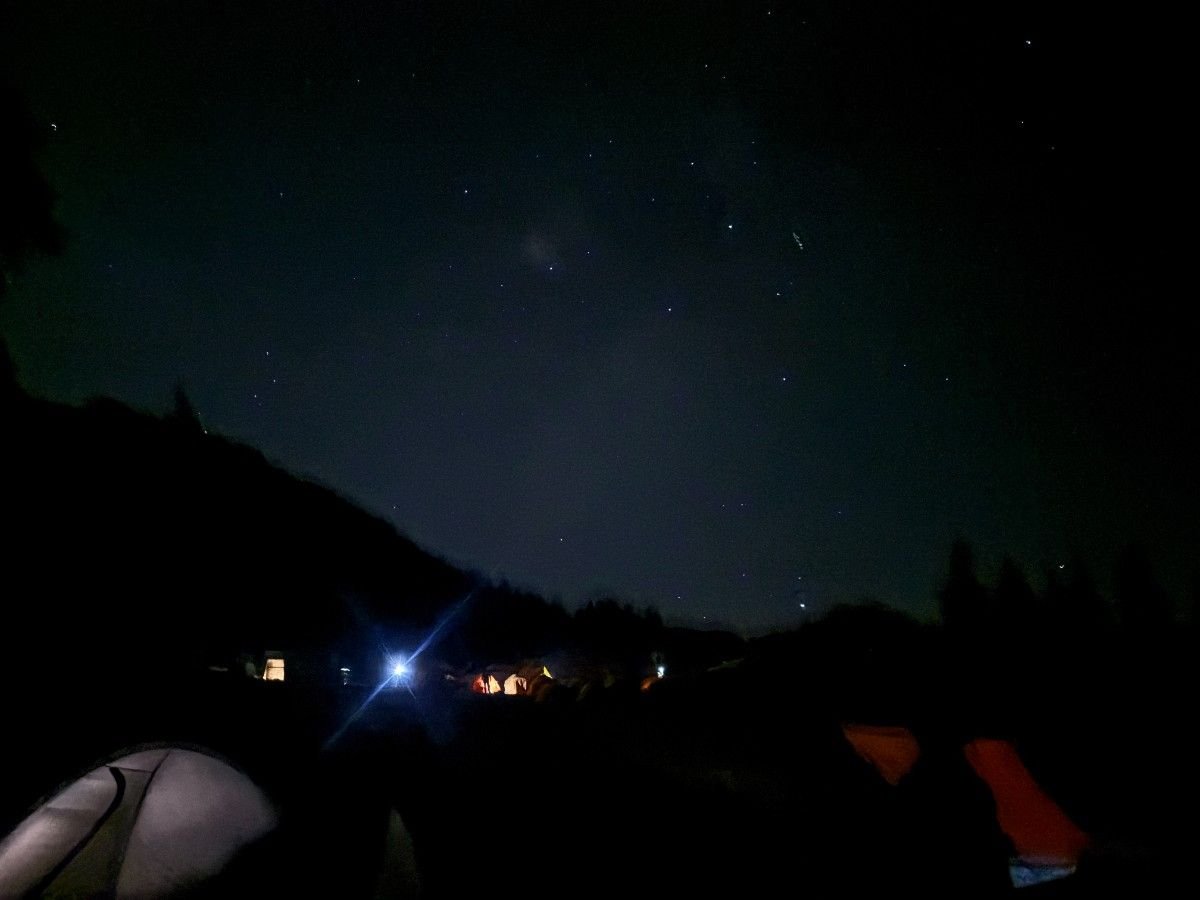
Khullara was breathtaking. It opened up into a huge clearing, enveloped by mountain peaks. However, come nightfall, the temp dropped in no time. Seated by the tents, gazing up at the night sky transforming into a painting of twinkling stars, the moods turned. We were no longer on a hike; we were getting ready for a climb.
We woke up before the rest of the world woke up. At 2:00 AM, with headlamps lighting up the pitch-black night, we started climbing.
This is what doesn’t always come with the brochures, and it’s just not easy. Try walking in a frozen environment when it’s dark, with a biting wind in your face. There were times when my legs were screaming, when my lungs were screaming to get some oxygen. And when it was dark, I was stripped of all other things. What I had was my determination to move forward and the person in front of me.
But then, the sun broke the horizon.
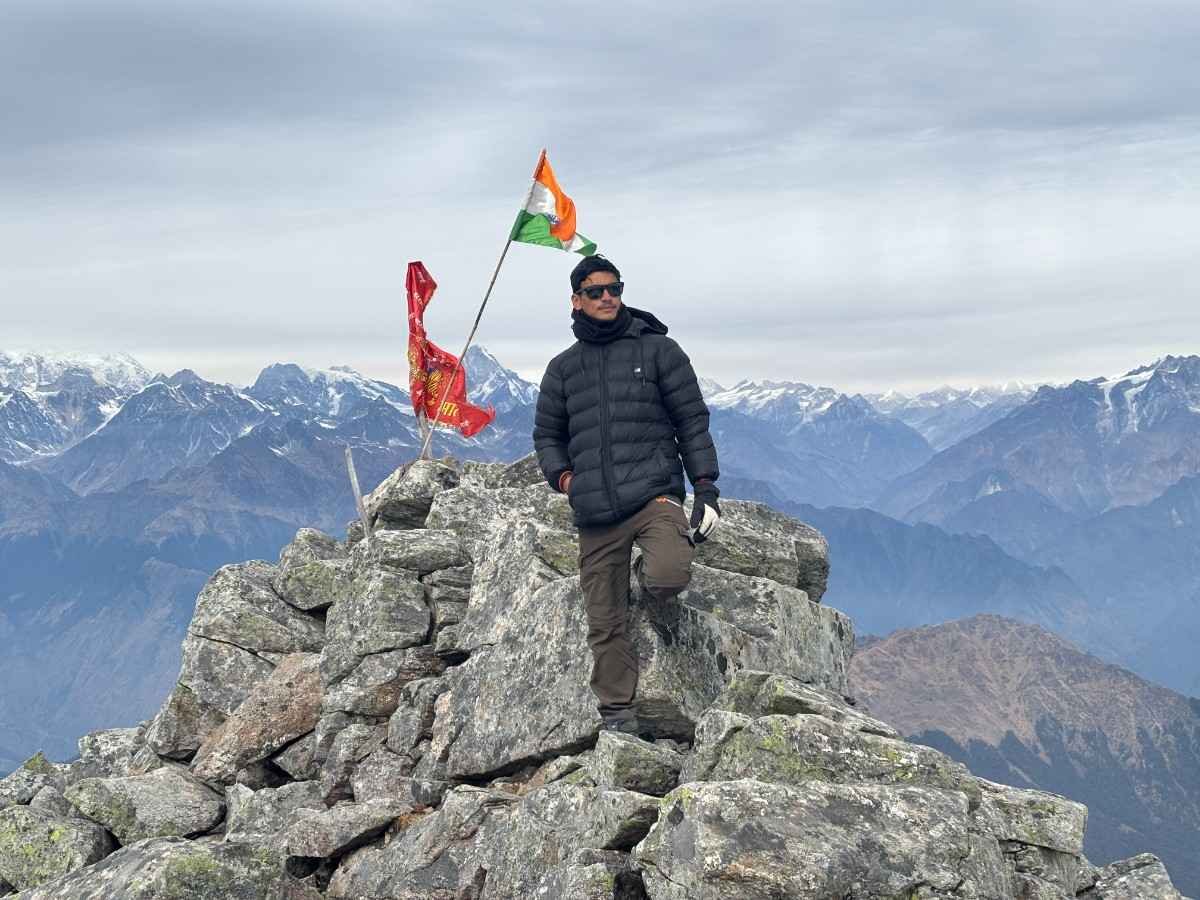
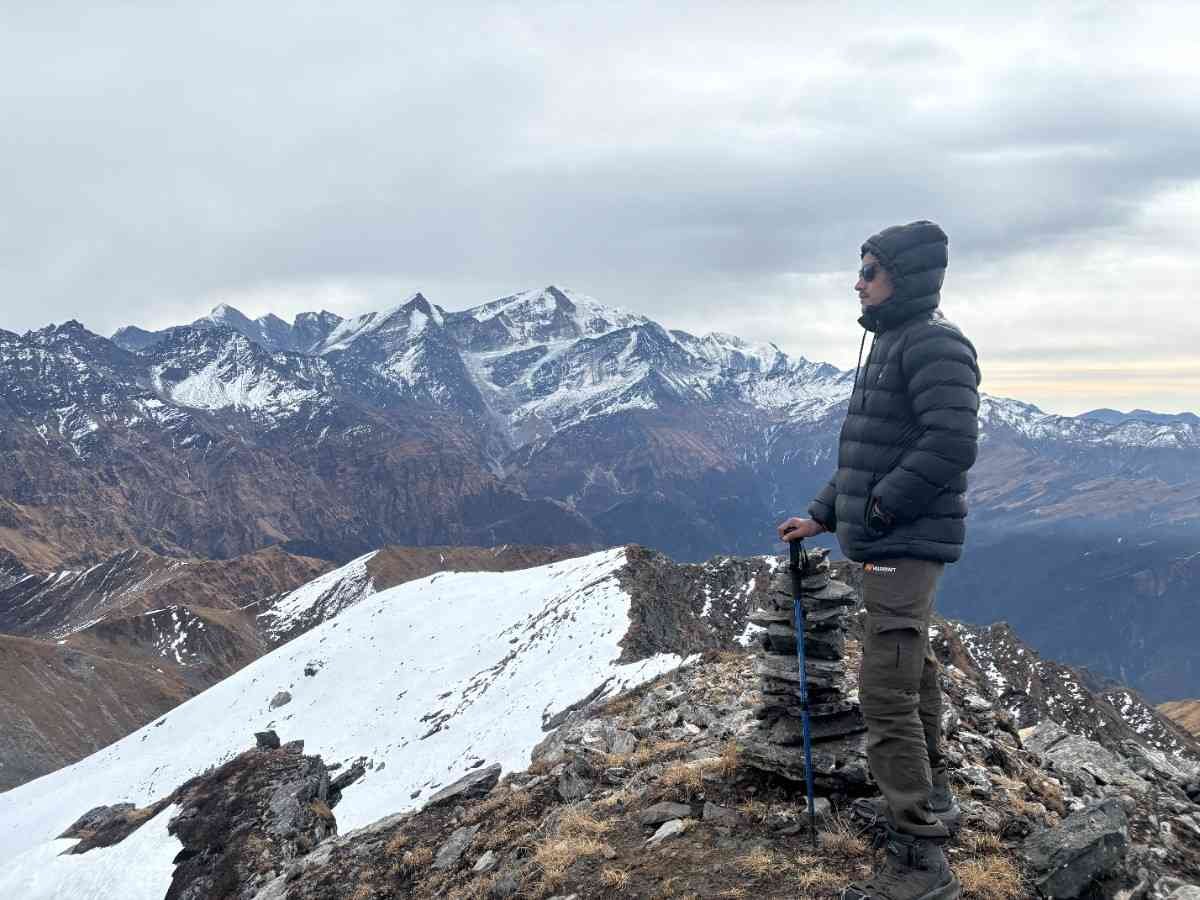
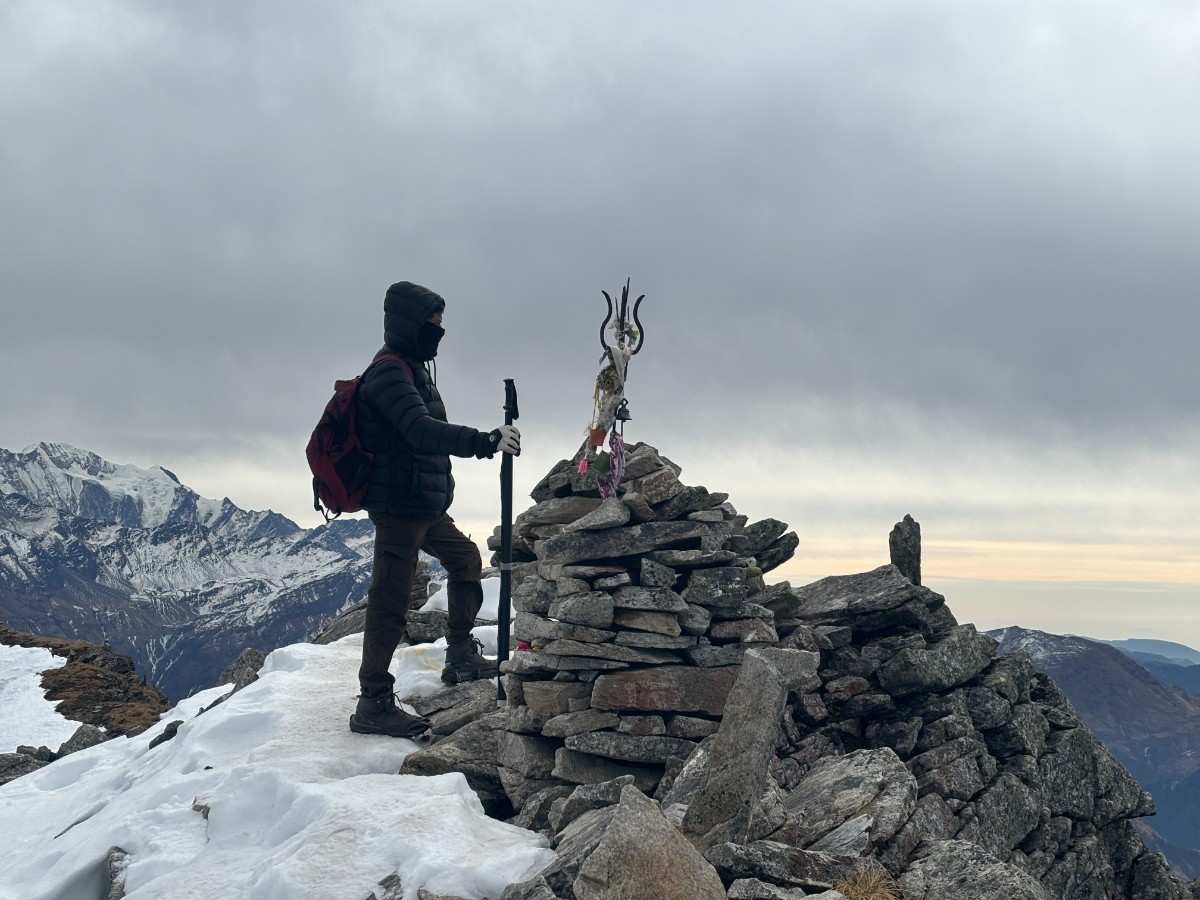
Pain ended when the beam touched those peaks. When I stood on the summit of Pangarchulla, surrounded by giants like Nanda Devi, Chaukhamba, and Dronagiri, I felt smaller than small, and yet. whole. This wasn’t a sense of conquering the mountain; it was a sense of being given permission to do so. The view was not “beautiful”; it was overwhelming.
A trek such as this depends on the people whom you trust to guide you on the way. This was where Uttara Hikes made all the difference for us. Starting with the initial briefing given to us in Rishikesh until the meals waiting for us at Khullara, Uttara Hikes did not simply guide us – they took care of us.
They knew their mountain. They knew how to push us and when to let us rest. It did not feel like a commercial tour. It felt more like we were traveling with good friends who just happened to be experts in the field. If the thought has ever entered your mind to take on this challenge, make sure to use a service that shares your respect for the Himalayas as much as you do. They can be found online at https://uttarahikes.com/
Walking back down, the trail seemed friendlier. We shared laughs, stories, and the afterglow of ‘that sweet exhaustion after a good day’s work well accomplished.’ While Pangarchulla has taught me lessons, it’s my journey which has helped create moments that shall forever stay with me.
Chat With Us