
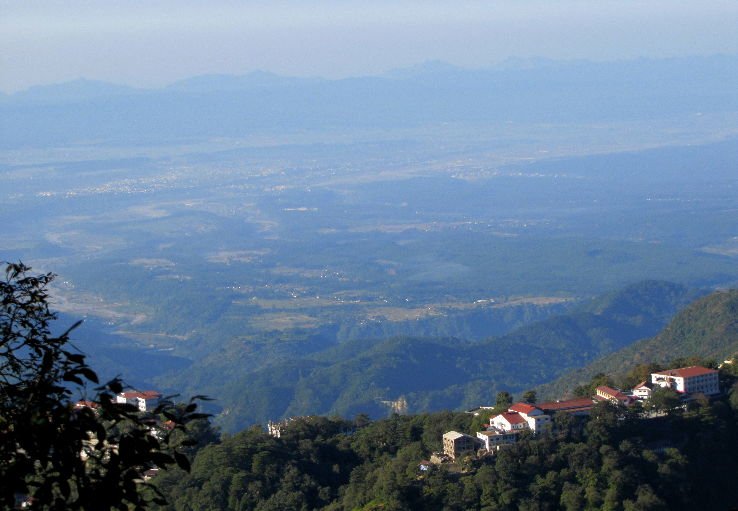
The air in Dehradun has a unique scent. The early morning train arrival lets passengers feel the platform’s fresh air which brings the scent of wet ground and ancient litchi orchards and distant mountain pine trees. Dehradun serves as a transit point for most travelers who drive through the city to reach Mussoorie Rishikesh and the Garhwal Himalayan high-altitude treks. At Uttarahikes we view the Doon Valley through different eyes. We see it as the “Base Camp of Emotion.” The Indian plains rush their energy to this location which serves as a breathing pause before they begin their journey to the majestic mountains. The people who join us for trekking expeditions and the families who want a peaceful weekend experience in Dehradun should explore the city beyond what they can see from their car windows. The city requires your full attention. Our travel guide presents a slow-paced exploration of Uttarakhand capital city which exists between two time periods of colonial architectural design and modern urban disorder.
People in the local area will direct you to Guchhupani which is better known as Robber’s Cave when you ask them for directions. The location attracts many visitors but it should not be classified as a “tourist trap” because of its high visitor traffic. The place possesses actual mystical power.
The narrow gorge exists because of conglomerate limestone which creates walls that extend almost to total sunlight blockage. Now you must envision yourself walking through this gorge by following the river instead of using a walking path. The Experience: The water at Robber’s Cave appears from underground and vanishes again, playing hide-and-seek with the landscape. The freezing cold stream reaches knee depth which makes walking barefoot through it create a sensory experience that functions as an effective wake-up method better than coffee. The walls produce sounds of moving water while light enters through cracks to form a theatrical and shadowy environment.
You might recognize this building. It has appeared as a college campus site in numerous Bollywood films which include Student of the Year. The Forest Research Institute building creates an experience of deep humility when people stand at its entrance. The establishment which opened its doors in 1906 has become one of the top institutions worldwide for conducting forestry research. The architectural design showcases a beautiful combination of Greco-Roman and Colonial architectural styles which extends across a total area of 450 hectares.
Why We Love It:
The building exists as a requirement. The university campus features well-maintained green spaces and ancient tree groves which surround the entire area. People can explore the six museums of the facility to discover timber and insect and forestry historical facts, but the actual pleasure comes from experiencing the “slow walk” feature.
The extended hallways lead to bright daylight, which forms distinct shapes that appear on the ground surface. The front lawns provide a space to observe clouds as they move across the Mussoorie ridge, which appears in the distance. The location serves as an ideal space for photographers and a peaceful area for writers.
The Tibetan community in Dehradun has established its main cultural center at the Mindrolling Monastery which exists in Clement Town. The temple complex serves as a widespread area which provides tranquility to visitors. The Great Stupa here stands as one of the tallest stupa structures in the world with its height reaching 185 feet. The structure shows bright painting colors of gold and saffron and deep blue which create a strong visual contrast with the surrounding green hills.
The Vibe:
The city traffic noise diminishes to a faint sound when you walk through the gates. The sounds of prayer wheels turning together with young monks chanting create an auditory experience. The location requires visitors to activate their phone’s silent mode. The visitors should explore the gardens while they observe the detailed murals which show Buddha’s life and they should see the massive Buddha statue. The peaceful atmosphere of this place spreads to all visitors whether they practice religious beliefs or not. The location provides an ideal space for you to think about your travel experiences before you continue to explore the mountains. Uttarahikes.
Uttarakhand is known as Devbhoomi (Land of Gods) Dehradun possesses its ancient secret which exists in the Tapkeshwar Temple. The temple exists at the seasonal Asan river banks and its construction uses a natural cave as its foundation. According to legend Guru Dronacharya the royal teacher of the Pandavas and Kauravas in the Mahabharata used this location to conduct his penance.
The Miracle:
The name Tapkeshwar comes from the Hindi word tapuk, which means to drip. Water droplets from the cave ceiling descend directly onto the Shiva Lingam. The natural event has maintained its existence throughout multiple centuries.
The temple path requires visitors to climb down several stairs which lead them to the river, where they will experience a temperature drop. The cave produces an ancient, mystic atmosphere through the combination of incense smoke and its dampness.
Sahastradhara literally translates to “Thousand Fold Spring.” While commercialization has hit this area with water parks and shops, the core natural beauty remains if you know where to look.
The water here is rich in sulphur, known for its medicinal and therapeutic properties. People travel from far and wide just to take a dip in these pools to cure skin ailments.
The View:
The monsoon season brings visual beauty to the region because the water flows down from the springs and crashes into the limestone stalactites. The mountain summit has a ropeway which operates as a cable car system and provides passengers with a full view of the valley below. The location serves as an excellent picnic area for families although visitors should expect to encounter several other people.
The route from Dehradun to Mussoorie leads drivers to this location. The driver should stop the vehicle instead of driving through the area. Malsi Deer Park operates as a small zoo which is located at the foot of the Shivalik range. The experience becomes especially delightful when you visit with your kids. The park allows visitors to see Spotted Deer herds and Neilgai and bright Peacocks in its well-kept grounds which provide a park-like experience. The wildlife experience introduces visitors to the local animal species before they start their journey through the Rajaji and Corbett national parks.
You cannot say you have been to Dehradun until you have navigated the chaos of Paltan Bazaar. Located near the iconic Clock Tower (Ghanta Ghar), this market is the lifeline of the locals.
What to Do:
Walk through the narrow lanes. Dodge the scooters. Bargain for woolens. Smell the spices.
But most importantly—Eat.
Dehradun has a food culture that rivals the metros.
The Bakeries: Dehradun is famous for its colonial-era bakeries. Head to Ellora’s Melting Moments or Sunrise Bakers on Rajpur Road. Buy a packet of “Rusks” (a hard, dry biscuit perfect for dipping in chai) and “Stick Jaws” (a rich butter toffee). These are the souvenirs you want to take home.
Dehradun has changed during the past ten years. The once quiet town which served as a retirement destination now features an active café scene. The Rajpur Road area contains attractive cafes which provide outdoor dining spaces under mango and litchi trees.
The ideal conclusion to your evening involves reading a book while enjoying a hot cappuccino or lemon-honey-ginger tea and watching the Mussoorie lights which shine on the nearby hill like a starry necklace.
At Uttarahikes, we often explain to trekkers that acclimatization involves two processes; their body needs to learn how to handle low oxygen levels and their mind must learn to adapt to natural environmental rhythms.
Dehradun serves as the bridge between two different states because it creates an atmosphere which exists between two extreme environments. The location stands between two extremes because it combines elements from high Himalayan wilderness and Delhi and Mumbai urban development. The movement serves as a deep breath which prepares you for your upcoming journey.
You should walk through the area which contains Sal trees. You should enter the river to feel its cold water. You should consume the hot Bun Tikki. The valley will receive you into its warm embrace.
Here are some common questions we get at Uttarahikes regarding visiting Dehradun.
Q1: What is the best time to visit Dehradun?
A: Dehradun can be visited all year. March–June is ideal for sightseeing, July–September is lush but rainy, and October–February is perfect for enjoying cool winter days.
Q2: How many days are enough to explore Dehradun?
A: 2 days are enough for major attractions. Plan 3–4 days if you want to include Mussoorie or Landour.
Q3: Is Dehradun safe for solo female travelers?
A: Yes. Dehradun is generally safe, especially in busy areas like Rajpur Road and Jakhan. Basic precautions are recommended.
Chat With Us