
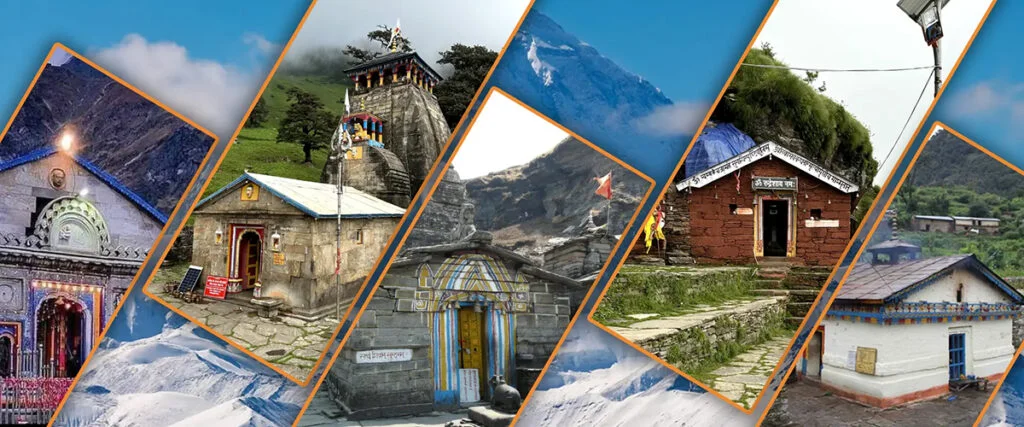
For centuries, the Himalayas have been a space where nature, spirituality, and age-old traditions intersect. Of the many sacred circuits of Uttarakhand, the Do Dham Yatra (Kedarnath–Badrinath, or Yamunotri–Gangotri) and the mythical Panch Kedar Trek are distinguished by their rich mythological significance and transformative experience. Trekkers we meet at UttaraHikes often describe these routes as not only journeys through the mountains but also journeys within themselves. Whether this is your first spiritual expedition, or you have made multiple journeys back to the Himalayan region for a deeper connection, preparation and planning your routes and intended activities can elevate the journey experience for you.
This guide will help you prepare physically, mentally, and logistically for the Do Dham or Panch Kedar routes so that your pilgrimage stays safe, meaningful, and enjoyable.
The Do Dham route is traditionally part of the longer Char Dham route, but it allows pilgrims to visit two prominent shrines in a much shorter time. The most frequented two shrines are:
This trip is an exciting combination of deep reverence and pilgrimage—high-altitude trekking in the mountains along ancient cultural pathways.
Panch Kedar is a circuit of five temples dedicated to Lord Shiva visiting each of these during the trek:
Each temple is set in an entirely different Himalayan landscape and terrain—high forests to alpine meadows—making it one of the most spiritual trekking circuits, as well as, one of the most beautiful in the Himalayas and India.
Weather is a key factor in these trails. The ideal time of Do Dham and Panch Kedar route is:
Do not travel in the monsoon because the trail can be hazardous and landslides can occur.
Both routes include long distances, vertical climbing sections and height above sea level. For example, Kedarnath has long uphill sections whereas the temples in Panch Kedar, like Madhmaheshwar and Rudranath require sustained trekking hours.
Includes sections with:
Having a true sense of the terrain will also help you prepare psychologically.
These treks are about spiritual journeys, but physical fitness is crucial. At UttaraHikes, we ensure that we prepare each trekker because altitude demands more stamina & oxygen capacity.
Suggested Training (4 weeks prior):
This training will help you have energy for long days of trekking.
It is very important to pack a light backpack but a complete one.
Things You Must Pack:
During spiritual routes it is nice practice and necessary to be warm and comfortable as well as be devoted.
Do not rush the Himalayan slopes. The altitude affects different people differently.
Follow these tips:
Proper acclimatization allows for safety and ultimately use your your time appreciating and enjoying the sacred space.
Both Do Dham and Panch Kedar routes large traverse from remote villages, old forests, and traditional Himalayan communities.
To show the respect:
Being mindful preserves the quality of the sanctity of the Himalayan experience.
An experienced trekking operator like UttaraHikes will ensure your journey is safe, organized and rewarding. Accommodation, meals, guiding, oxygen support (at high altitudes), and emergencies are simply much easier with an experienced trekking partner. This is especially true for tougher treks like the Panch Kedar.
A journey to Do Dham or Panch Kedar is much more than a pilgrimage. It is an awakening experience of the nature, devotion, and clarity that Xanadu offers. With good planning, general training, and a good trekking partner, you too can enjoy these sacred journeys with the same comfort, confidence and spiritual depth.
UttaraHikes is not only dedicated to allow trekkers to explore the Himalayan context, it promotes responsible and meaningful travel. Prepare well, embrace every process of journeying, and allow the landscape to direct you towards a higher level of spirituality.
Chat With Us